The first thick yellow milk is not dirty or harmful. It is the baby’s first food and gives important nutrition and protection from illness, so it should be fed to the baby.
fact_checkWhat experts say
- infoAt birth, the breasts make a thick, yellowish milk. It is packed with nutrients and helps the baby start building protection against illness.1
- infoThere is only a small amount of this first milk at first, but it increases over the first few days. Most babies get all the nutrition they need from it.1
- infoStarting breastfeeding within the first hour after birth and feeding only breast milk for the first six months helps protect the baby from infections.2
- infoBabies who are not breastfed or are partly breastfed are more likely to get diarrhoea, pneumonia and other infections.2
- infoBreast milk is the best nutrition for most babies, including premature and sick newborns.1
lightbulbWhy people believe it
The first milk is thick, yellow and comes in small amounts. Some families think it looks dirty or old, so they throw it away without knowing it is the baby’s first and most protective food.
checklistWhat to do
- check_circleStart breastfeeding within the first hour after birth. Give only breast milk for the first six months.2
- check_circleFeed the baby often, day and night, following the baby’s hunger cues.12
- check_circleDo not give the baby water, other drinks or food in the first six months.2
- check_circleIf you are worried about your milk coming in or about breastfeeding pain, talk to a lactation consultant or your doctor or nurse.1
emergencySee a doctor if
- errorPain while breastfeeding that does not get better over the first 1 to 2 weeks.1
- errorCracked or damaged nipple skin.1
- errorBreast pain that happens with an improper latch, a clogged milk duct, or a breast infection.1
- errorIf you are concerned that your milk has not come in.1
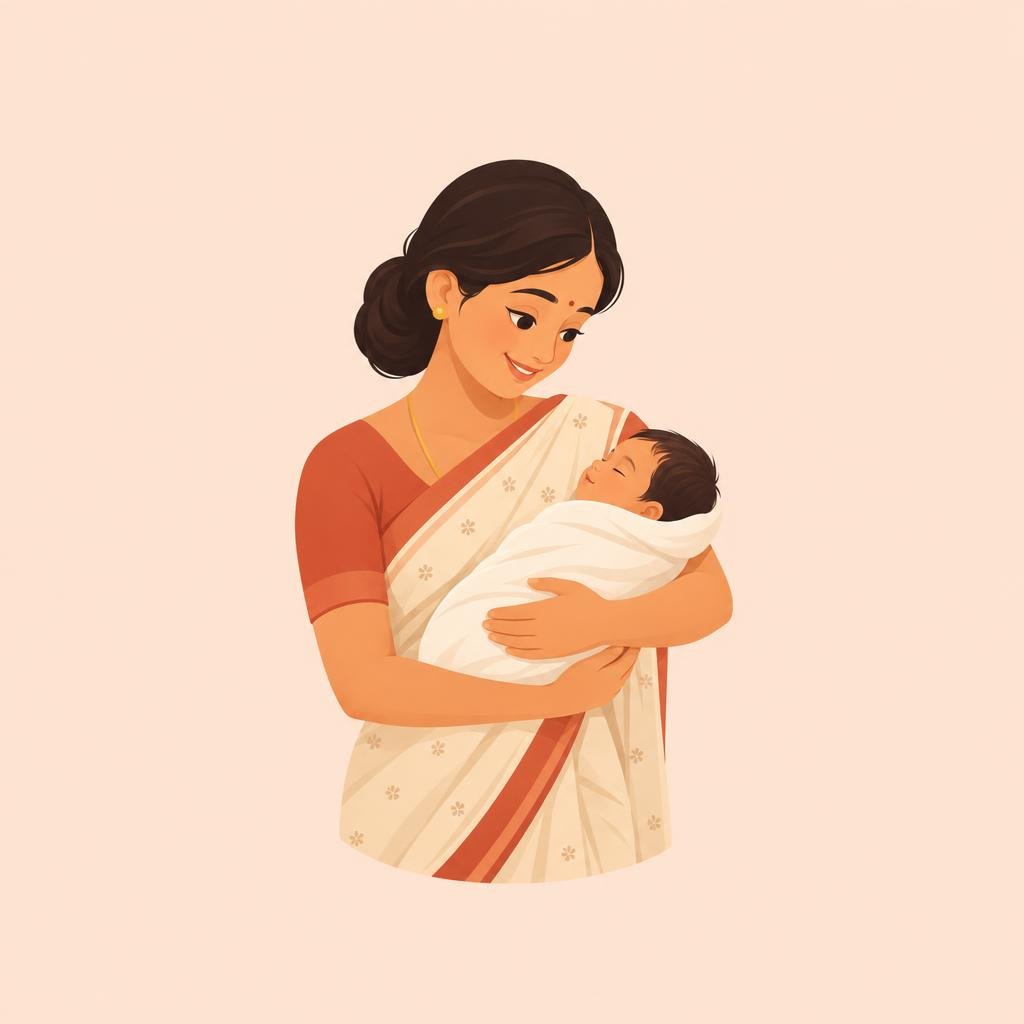 Mother & newborn